

Medicare Part B covers certain vaccines, including flu, COVID-19, pneumococcal, and qualifying hepatitis B shots. Part D covers other recommended adult vaccines such as shingles, RSV, and Tdap.
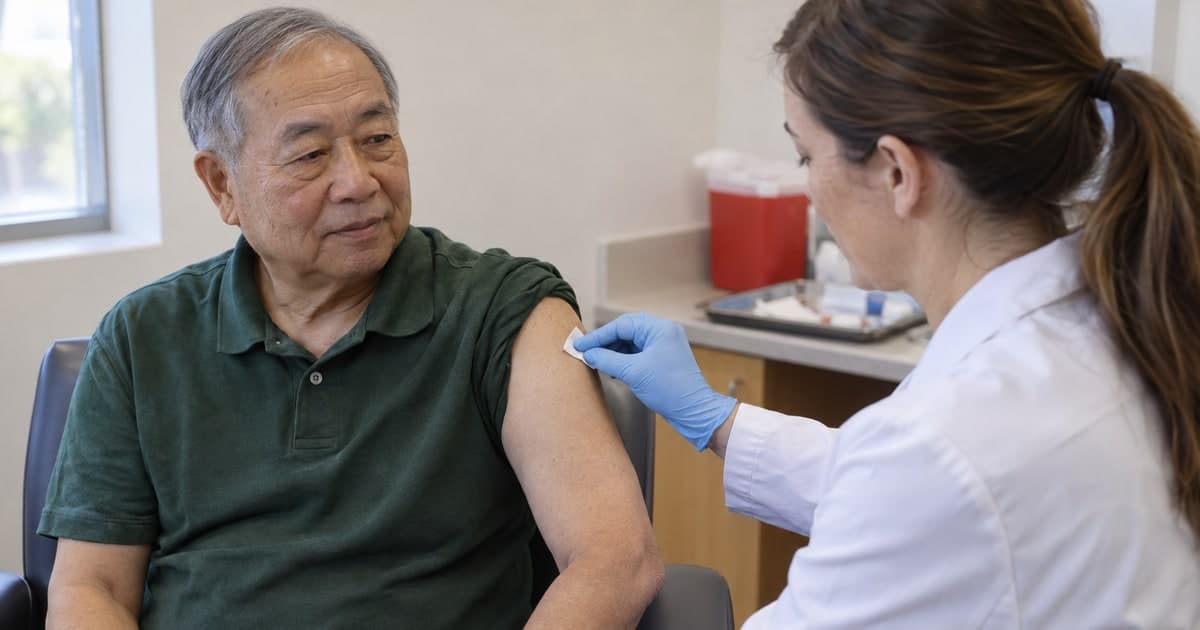
Medicare divides vaccine coverage between Part B medical coverage and Part D prescription drug coverage.
Vaccines Covered by Part B
Part B covers:
- Seasonal flu vaccines
- COVID-19 vaccines
- Pneumococcal vaccines
- Hepatitis B vaccines for eligible people, including those who have not completed the series or do not know their vaccination history
- Certain vaccines needed because of an injury or direct exposure to disease
You generally pay nothing for Part B preventive vaccines when the provider accepts Medicare’s approved amount as full payment, called accepting assignment.
See Medicare’s hepatitis B eligibility rules to check whether you qualify.
Vaccines Covered by Part D
Part D generally covers adult vaccines recommended by the Advisory Committee on Immunization Practices (ACIP) that Part B does not cover, including:
- Shingles
- Respiratory syncytial virus, or RSV
- Tetanus, diphtheria, and pertussis
- Other recommended adult immunizations
You pay no deductible, copayment, or coinsurance for covered adult vaccines recommended by ACIP. Use a pharmacy or provider that can bill your Part D plan correctly.
Before Getting a Vaccine
Ask:
- Which part of Medicare covers it?
- Is the pharmacy or provider in-network?
- Can it bill the plan directly?
- Is the vaccine medically appropriate for you?
Medicare's drug coverage explanation describes how Parts B and D divide vaccine coverage.
A preventive shingles shot is generally billed to Part D; a tetanus shot needed because of an injury may be billed to Part B, with different costs for you. Bring your Medicare and drug-plan cards and ask which benefit the office or pharmacy will bill.
Medicare policy sources last checked: October 8, 2026.